Core Merging Mechanic
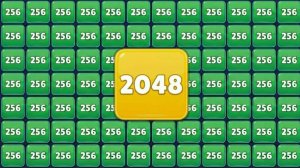
In Tile Fusion Logic Quest, players interact with a grid filled with numbered tiles. The primary action involves selecting two or more tiles that share the same number and are connected horizontally, vertically, or diagonally. Upon selection, these tiles combine into a single tile with a higher numerical value. This simple rule creates a rich strategic layer, as each move reshapes the board and opens new possibilities. The challenge lies in planning sequences to maximize each merge, especially when larger groups of identical numbers appear. The game rewards foresight and spatial awareness, making each session a gentle mental workout.
Strategic Board Management
Keeping the playing area organized is essential for sustained progress. Players often develop personal strategies, such as focusing merges in one corner or maintaining a clear path for future combinations. The grid can become crowded quickly, so thoughtful tile placement matters. Some approaches involve working from the bottom upward or using diagonal connections to link tiles that are not directly adjacent. The absence of a timer means every decision can be considered carefully, which appeals to those who prefer thoughtful play over speed. This design encourages a methodical style where each move contributes to a larger plan.
Assistance Tools and Rewards
To help navigate tricky situations, the game may include optional aids like an Undo function, a Hammer that removes a single tile, or a Shuffle that rearranges the board. These tools are limited and best saved for moments when no obvious merge exists. Additionally, a quest system provides short-term goals, such as reaching a specific number or clearing a set number of tiles. Completing these objectives earns coins that can be used to unlock cosmetic items or extra assistance. This progression layer adds motivation without disrupting the core puzzle experience.
Visual and Audio Atmosphere
The visual design emphasizes clarity and calm. Tiles are color-coded by value, making it easy to scan the board at a glance. Animations are smooth but unobtrusive, providing satisfying feedback when merges occur. The sound design is similarly understated, with gentle tones that accompany successful combinations. This minimalist approach helps maintain focus and reduces distraction, making the game suitable for short breaks or extended play sessions. The overall aesthetic supports the relaxed yet engaging nature of the gameplay.
Chain Reactions and Scoring
A particularly satisfying element is the chain reaction, where a single merge triggers a cascade of subsequent merges. Setting up these combos requires careful planning, as tiles must be arranged so that the resulting number from one merge aligns with another matching tile. Chain reactions can clear large portions of the board and generate significantly higher scores. Mastering this technique separates casual players from those who achieve top results. The scoring system rewards both the final number reached and the efficiency of the path taken to get there.